Idli Kadai (2025) Review: Why Dhanush’s Comfort Food Cinema Works Despite Its Flaws
Idli Kadai is Dhanush’s latest directorial effort, a 2025 Tamil-language drama that brings together Arun Vijay, Nithya Menen, Sathyaraj, Rajkiran, and Shalini Pandey. The film hit theatres on October 1, marking Dhanush’s fourth time behind the camera. Produced under Wunderbar Films, it’s a story about roots, family, and finding your way back home.
Note: This post is a review only. We do NOT share or promote movie downloads or streaming links.
The plot centers on Sivanesan, who runs a modest idli shop in a village, and his son Murugan who watches his father wake at 3 AM daily to make idlis. The film wrestles with that age-old question: what do we owe to our origins when the world beyond calls?
The Journey Home
Murali (Dhanush) wants more than village life can offer. After studying hotel management, he lands in Bangkok, partnering with Vishnu Vardhan (Sathyaraj) in a food business. He’s even set to marry the boss’s daughter, Meera (Shalini Pandey).
But life has other plans. When crisis hits home, Murali faces a choice between his comfortable Dubai existence and the humble idli shop he once escaped from. The film traces his path from ambition to acceptance.

Performances That Connect
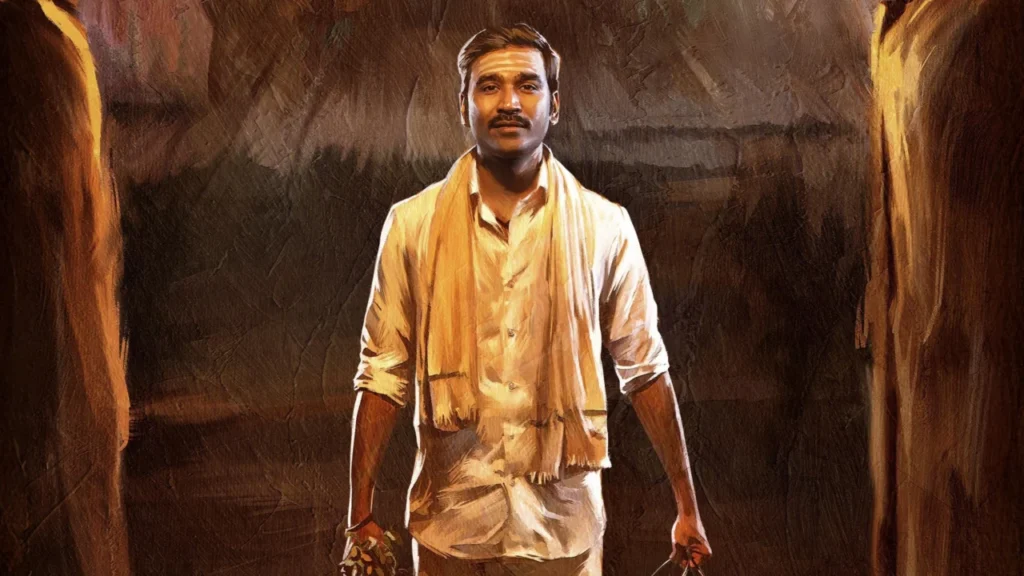
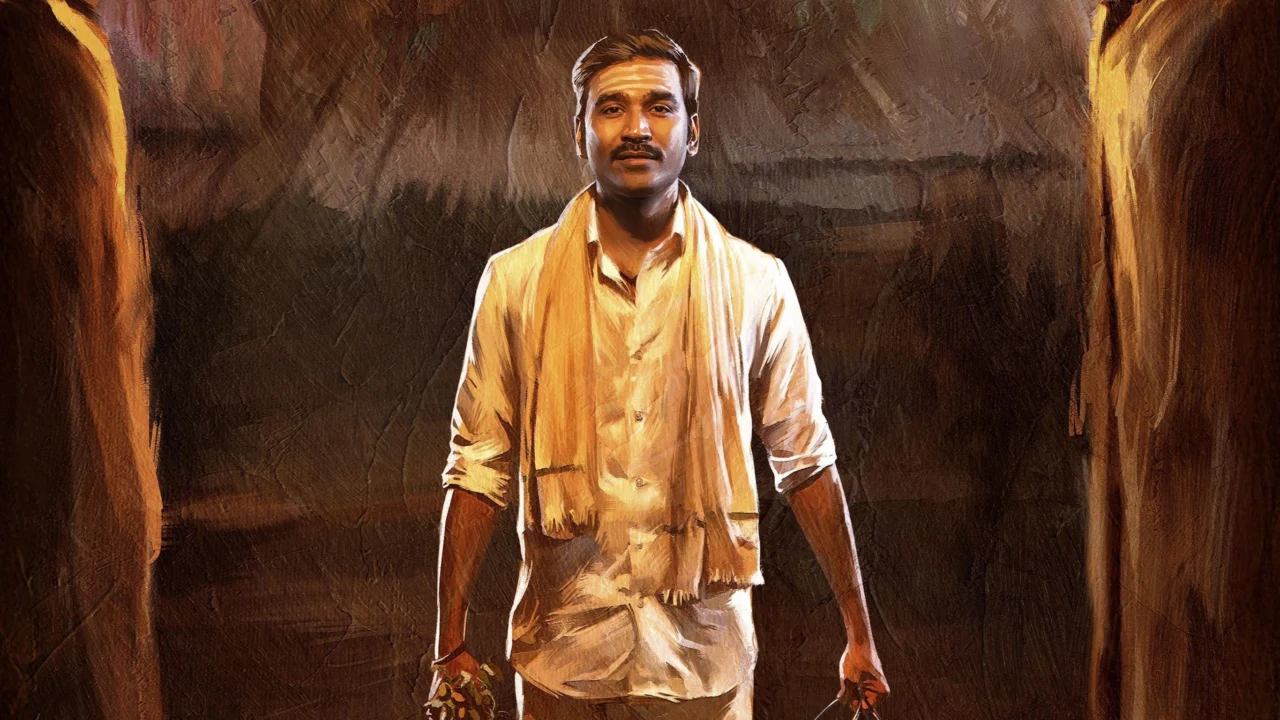
Dhanush brings quiet strength to Murali’s character. I noticed how he avoids melodrama even in heavy scenes, letting small gestures carry emotional weight. His transition from corporate chef to village cook never feels forced or rushed.
Nithya Menen fits naturally into her role, sharing easy chemistry with Dhanush. They worked together before in Thiruchitrambalam, and that familiarity shows. She brings life to scenes without overshadowing the core father-son relationship.
Rajkiran delivers what I’d call the film’s heart. As Sivanesan, he embodies a father’s quiet dignity—the kind that doesn’t need speeches to make its point. His scenes had people reaching for tissues around me.
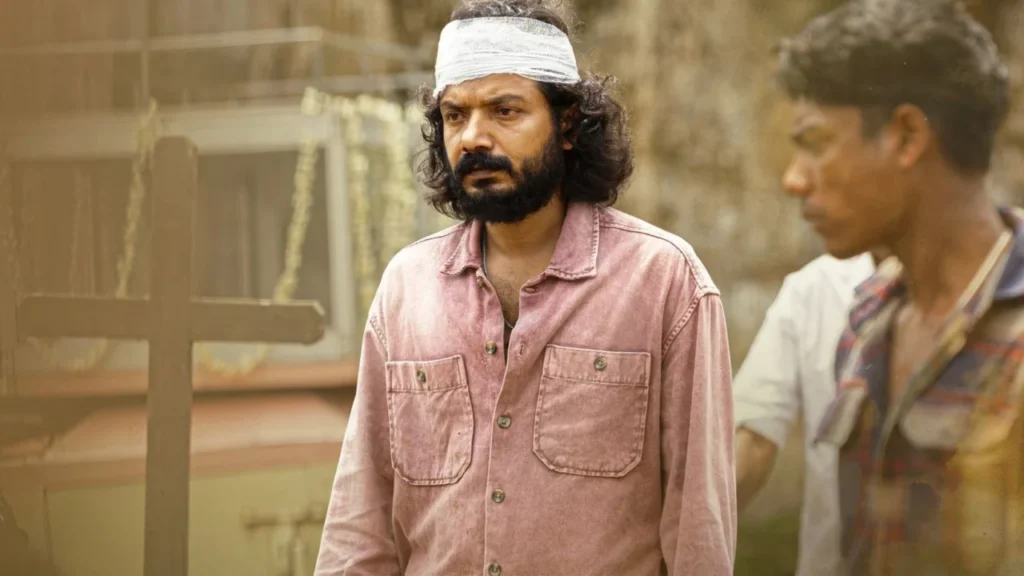
Arun Vijay plays the antagonist with layers I didn’t expect. He wanted to return to villain roles after Yennai Arindhaal, and here he creates someone driven by ego rather than pure evil. The result feels human, which makes him more interesting to watch.

Behind the Scenes
Dhanush’s direction has grown since his earlier work. He handles character moments well, building emotion through small details rather than big declarations. Every supporting player gets their moment, even minor characters feel thought through.
GV Prakash Kumar composed six tracks that sit comfortably within the story. The background score lifts scenes without announcing itself too loudly. Songs like “Enna Sugam” match the film’s gentle rhythm.
Kiran Koushik’s camera work deserves mention. The Theni district locations look lived-in rather than prettified. You can almost feel the morning chill when Sivanesan starts his day at dawn.
What Works
The film’s honesty hits hardest. It asks you to remember where you started and who helped you get here. That message lands without feeling preachy because it’s woven into everyday moments.
I loved the small touches—a calf wandering toward Murali, the early struggles with the shop, the way familiar routines bring comfort. These scenes breathe because they don’t try too hard.
The first half builds character relationships patiently. The father-son dynamic unfolds naturally, and I found myself caring about their reconciliation. Plus, it’s genuinely family-friendly, which feels rare these days.
Where It Stumbles
The pace drags at times. You need patience to sit through stretches where not much happens. The first half has nice beats, but the second loses steam when it becomes a standard good-versus-bad story.
The plot isn’t fresh. You’ll spot beats from Dhanush’s earlier films like VIP. Some actors, particularly in Sathyaraj’s family scenes, don’t feel genuine. Their performances pull you out of the story.
That second-half shift from emotional drama to physical conflict doesn’t work for me. The film had me invested in internal struggles, then suddenly throws in fight sequences that feel obligatory rather than earned.
Reception and Response
Critics gave mixed feedback. The Federal appreciated the emotional first half and performances but noted the second half’s reliance on tired patterns. The Hindu called it a comfort meal rather than fine dining.
The Week rated it 3.5/5, pointing out its old-school approach compared to current Tamil cinema. The Indian Express also gave 3.5/5 while questioning whether the payoffs justify the setup.
On IMDb, it sits at 6.6/10. Viewers appreciate the heart and performances but wish for more surprises. Family audiences responded warmly, while those wanting innovation felt let down.
Rating: 3/5