The Devil (2025) REVIEW ft. Shilpa, Dhruva, and Sanjay

Darshan’s latest film The Devil arrived in theatres on December 11, bringing his signature action style to screens across Karnataka. This marks a significant release for the star, coming without his involvement in promotions. Director Prakash Veer handles the project with Rachana Rai, Mahesh Manjrekar, and Achyuth Kumar forming the main cast.
The buildup to this film was different from typical releases. Fans drove the entire promotional campaign through social media buzz and early morning show bookings. Over 2 lakh tickets sold before release day, showing the devoted following Darshan commands in Kannada cinema.
Understanding the Plot
This revenge thriller revolves around a character hiding his true identity through most of the runtime. Darshan switches between different appearances and locations, keeping viewers guessing about his real intentions. Political power plays mix with personal grudges in a story that saves its biggest reveals for strategic moments.
The screenplay tries balancing action with emotional beats. Multiple characters cross paths with the protagonist, each connection adding layers to the mystery. By the interval, key pieces start falling into place, though the full picture emerges only in the final act.
How the Actors Perform
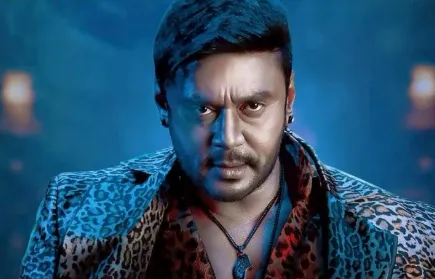
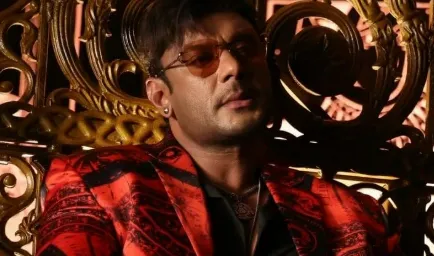
Darshan brings exactly what his audience expects. His physical presence fills the frame, and dialogue delivery hits the right notes for mass appeal. I watched him handle both intense confrontations and quieter moments with equal confidence. The dual shades to his character give him room to showcase range.
Rachana Rai gets reasonable screen time but struggles to make a strong impression. Her character serves the plot more than standing out on its own. Mahesh Manjrekar brings experience and gravitas to his scenes. Achyuth Kumar and Sharmiela Mandre fulfill their functions without memorable moments that stick with you after leaving the theatre.
Highlights That Work
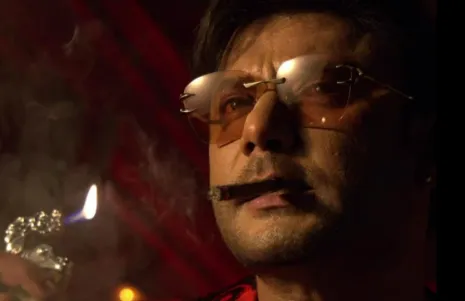
The interval sequence delivers genuine excitement. I felt the tension building as characters faced off, and the cut to intermission left me wanting the second half immediately. This moment understands what commercial cinema should achieve – creating anticipation and giving audiences something to discuss during the break.
Darshan’s command over every scene remains unquestionable. Even when the writing doesn’t support him fully, his screen presence carries sequences forward. Fans will find multiple moments worth celebrating, from powerful dialogues to stylish action choreography.
B. Ajaneesh Loknath’s background score adds serious punch. The music makes ordinary scenes feel bigger and important moments truly impactful. During action sequences, the thundering beats create an atmosphere that gets crowds cheering. I noticed how the score never overwhelms but always enhances what’s happening on screen.
Visual treatment creates the right mood for this crime drama. Sudhakar S. Raj uses shadows and dramatic lighting effectively. The camera captures Darshan in ways that emphasize his star quality while maintaining good production values throughout.
Where Problems Show Up
The story follows patterns we’ve seen many times before. Political drama mixed with personal revenge isn’t new territory for Kannada films. I expected some fresh angle or unexpected turn that never arrived. The screenplay plays it safe, sticking to formulas that worked previously.
Second half struggles with momentum. Once the initial setup concludes, unnecessary scenes slow everything down. Comedy tracks feel forced rather than organic to the story. I found myself wishing someone had been stricter during editing. Cutting 15-20 minutes would have helped maintain energy levels.
Character development remains thin beyond the lead role. Supporting players exist mainly to react to what Darshan does. The female lead needed stronger material and better performance to justify her presence. Secondary characters come and go without making real impacts on the story.
Editing shows rushed work in several places. Scenes don’t always flow smoothly into each other. The connection between certain sequences feels missing, like pieces were removed without proper bridges. More careful post-production could have solved these issues.
What Viewers Are Saying
Public reaction split sharply down the middle. Republic World reported mixed responses, with some praising the entertainment value while others called it disappointing. Ratings from viewers ranged from 2 to 4.5 out of 5 stars.
Positive feedback highlighted Darshan’s performance, engaging action, and powerful background score. Fans found plenty to celebrate, calling it a complete mass entertainer. Several described the interval block as goosebump-inducing and the overall experience as satisfying for devotees.
Critical voices pointed to routine storytelling, stretched runtime, and lack of novelty. Many felt the film relied entirely on star power without offering fresh content. Comments like “strictly average” and “nothing special” appeared frequently in negative reviews.
The divide reflects reality – this film caters specifically to existing fans rather than trying to win new audiences. That targeted approach explains both the passionate support and the disappointed responses from those expecting more innovation.
Technical Quality
Music works well both as background score and standalone tracks. The first song released months earlier gained over 13 million YouTube views, proving strong musical appeal. Songs integrate into the narrative without disrupting pace too much.
Cinematography maintains professional standards throughout. The visual style uses darkness and neon lighting to create atmosphere. Some sequences show impressive production design, though consistency varies across different portions.
Action choreography satisfies commercial requirements. Fight scenes are executed cleanly with reasonable realism mixed with style. These moments clearly target core fans who expect certain types of sequences from a Darshan film.
Making Sense of It All
The Devil functions as pure star vehicle entertainment. I see it succeeding in that specific goal – giving devoted fans exactly what they want from their favorite actor. The interval block, stylish action, and Darshan’s presence deliver on expectations for that audience.
But step outside that fanbase, and limitations become obvious. The routine story, pacing issues after intermission, and lack of innovation prevent wider appeal. The film never attempts breaking from commercial formulas or trying something genuinely different.
I believe this represents a choice rather than failure. The makers understood their target audience and delivered for them. Trying to please everyone might have resulted in a confused product that satisfied no one. This focused approach works for its intended viewers while leaving others disappointed.
For Darshan devotees, this qualifies as essential viewing. It gives multiple moments worth celebrating and confirms their star still commands the screen powerfully. For general film watchers, it’s passable entertainment that works in specific scenes but doesn’t create lasting impact.
The real achievement here isn’t the film itself but what it represents – a major release driven entirely by fan power without traditional promotional support. That phenomenon tells us something important about star culture in regional cinema.
My Rating: 4/5