Safia/Safdar (2026): Aditi Shines in Baba Azmi’s Salon Saga

Watch this film for Aditi’s powerful performance, but be prepared for a predictable storyline. This is a drama tailored for fans of character-driven stories and those who appreciate the works of director Baba Azmi.
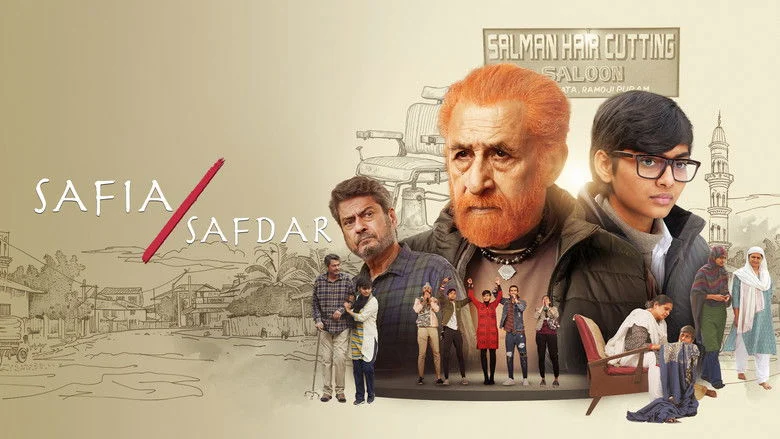
Baba Azmi, known for Mee Raqsam, attempts to craft a narrative that explores the struggles of a young woman in a patriarchal society with Safia/Safdar. By focusing on the salon as a central setting, Azmi brings attention to the everyday battles faced by women in traditional roles. This approach allows for a deeper examination of the characters’ emotions and motivations.
Bringing the Salon to Life
The directorial choice that defines this film’s experience is the use of the salon as a symbol of independence and freedom. For instance, the way the camera pans across the salon, highlighting the vibrant colors and lively atmosphere, effectively conveys the sense of community that Safia is fighting to preserve. However, this visual approach sometimes feels at odds with the more serious tone of the plot, creating a sense of disjointedness. The film’s ability to balance these elements is crucial to its overall impact.
Furthermore, Azmi’s decision to focus on the relationships between the characters, particularly the bond between Safia and her father, adds depth to the story. This emphasis on character development helps to create a sense of investment in the outcome, making the viewer more engaged in Safia’s struggle to save the salon.
Aditi’s Portrayal of Safia/Safdar
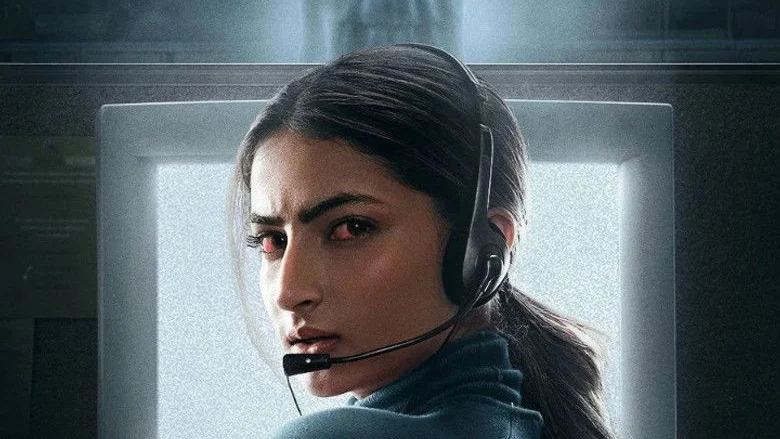
This role demands that Aditi convey a sense of determination and resilience, which she achieves through her expressive performances. Aditi does well in portraying the character’s growth from a vulnerable daughter to a strong, independent individual. However, there are moments where the character’s transformation feels rushed, and Aditi’s portrayal could have benefited from more subtle development. Aditi’s performance is a highlight of the film, bringing much-needed depth to the story.
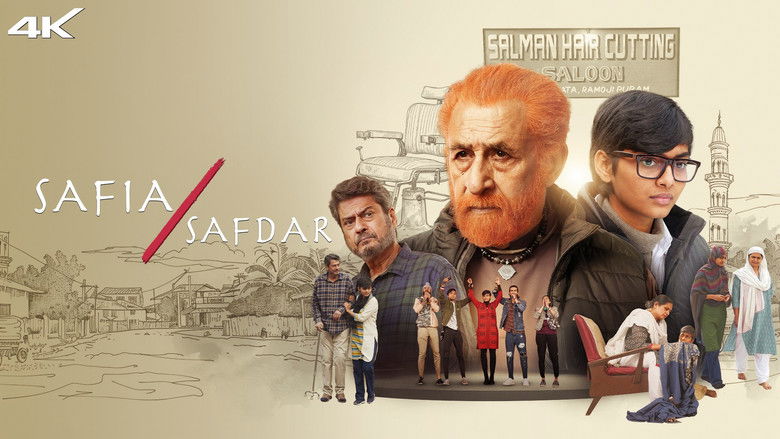
The supporting cast, including Kanwaljit and Neetu, play crucial roles in shaping the narrative. Kanwaljit brings a sense of menace as the local moneylender, while Neetu provides a comforting presence as a supportive figure in Safia’s life. Each actor brings a unique element to the story, helping to create a richer, more immersive experience.
A Predictable yet Problematic Plot Twist
The biggest flaw in the film is the predictable and somewhat contrived plot twist involving the moneylender’s demands. This weakness is most evident in the scenes where Salman’s illness is used as a plot device to raise the stakes, feeling like a convenient excuse to create tension rather than a genuine narrative development. Safia is the character most affected by this weak writing, as her actions and decisions are sometimes driven by plot convenience rather than character logic.
This flaw hurts the overall experience because it undermines the sense of realism that the film strives to achieve. A better version of this scene would have involved a more nuanced exploration of the characters’ motivations, creating a more believable and engaging storyline. By relying on predictable plot devices, the film misses an opportunity to truly delve into the complexities of the characters and their relationships.
Watch or Walk Away?
This film is better suited for an OTT release, as the intimate setting and character-driven narrative are more suited to a personal viewing experience. Fans of Aditi and Baba Azmi’s previous work will likely appreciate this film, despite its flaws. In terms of comparison, Safia/Safdar shares some similarities with other dramas that focus on strong female protagonists, such as Queen, but ultimately falls short in terms of overall impact and originality.