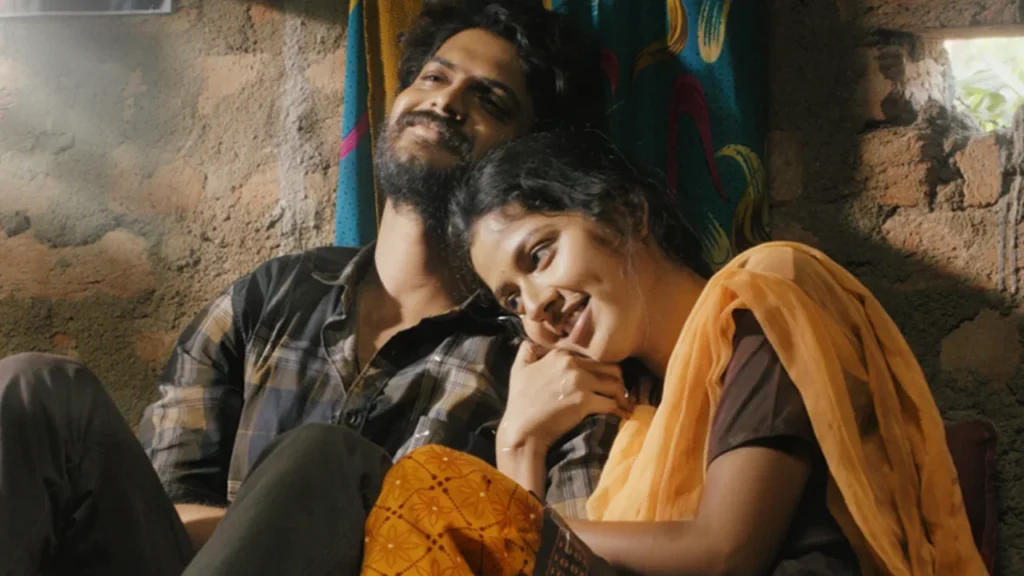

Maruvatarama (2025) REVIEW ft. Hariish Dhanunjaya, Avantika, and Rohini

Maruvatarama released in theaters on November 28, 2025, as a romantic drama targeting young Telugu audiences. The film features Hariish Dhanunjaya in the lead role, paired with Avantika and Atulya Chandra. First-time director Chaitanya Varma Nadimpalli, who previously wrote lyrics for the hit film RX100, brings this love triangle to the screen.
Music composers Vijay Bulganin and Arish handle the soundtrack, while veteran actress Rohini plays a key supporting role. Produced by Giduturi Ramana Murthy and NV Vijay Kumar Raju under Silver Screen Pictures, the movie created buzz through its songs and trailer.
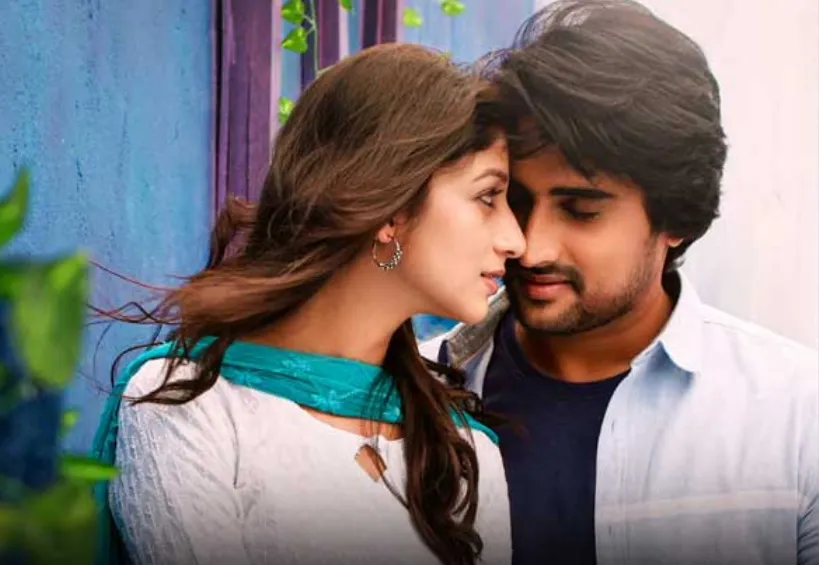
The Story
Three colleagues work together in an office. Rishi spots Sindhu and falls for her immediately. However, Anvi has feelings for Rishi but keeps quiet after learning about his interest in someone else. This creates the film’s central conflict – three people, three different emotions, all tangled up.
Rishi pursues Sindhu, they get together, but circumstances pull them apart. The story then shows what happens after this breakup and why Sindhu comes back. Rishi’s mother offers perspective on love and life that shifts how he sees things. Meanwhile, Anvi wrestles with whether to confess her feelings or continue staying silent.

What Clicks
The music becomes the film’s backbone. Every song fits naturally into the story flow. I noticed how the background score lifts scenes that might’ve felt flat otherwise. The melodies stay with you after the credits roll. This is the kind of soundtrack that makes you search for songs later. Both composers bring their strengths, creating something memorable.
Second-half emotions land properly. Once the setup ends, the film shifts to exploring what heartbreak actually feels like. I saw moments that reminded me of real breakups and complicated relationships. The messiness of modern love comes through clearly. Characters make mistakes, struggle with choices, and face consequences. This felt honest rather than manufactured for drama.
Dialogues sound natural. People talk like actual friends and colleagues, not movie characters reciting lines. The comedy moments between Rishi and his friends work because the banter feels genuine. When Rohini delivers her lines about love and life, they cut through without feeling preachy. Phrases like “You have options with girls, but not with your mother” stick because they’re simple truths. I appreciated how the writing didn’t try too hard to sound clever.
The workplace setting adds authenticity. Office romances happen all the time, and showing that environment makes the story relatable. Young viewers will see their own experiences reflected in these situations. The film understands how people actually fall in love today – through casual meetings, shared spaces, and gradual connections.
Where It Falters
The first half tests your patience. Scenes drag without adding much value. Comedy bits entertain but don’t push the plot forward. I found myself checking my watch more than once. The story takes too long getting to the actual conflict. For a film aimed at young people, this slow pace feels like a miscalculation. Sharper editing would’ve helped tremendously. Cut twenty minutes from this section, and the film improves significantly.
Hariish Dhanunjaya has screen presence but needs range. He handles romantic moments and light comedy well. His delivery works fine for casual scenes. But when the story demands deep emotion, something’s missing. I wanted to feel what his character felt, yet the performance kept me at a distance. It’s not bad work, just not fully developed. Love stories need actors who can convey pain, joy, and confusion through their eyes. That depth will come with more experience and better roles.
The plot follows a familiar path. Anyone who watches Telugu films regularly will recognize this structure. Triangle love stories are common territory. Even with realistic treatment, I predicted several turns. The film needed either a unique angle or exceptional execution to stand out. It offers neither. The basic story lacks freshness, depending on emotions and music to carry weight.
Cinematography stays basic. For a modern youth film, the visuals could’ve been more stylish. The frames don’t create mood or atmosphere. Romantic films benefit from memorable visual moments – a special way of capturing rain, light, or expressions. This film rarely attempts anything visually interesting. Everything looks clean and professional, just not distinctive.
Acting That Works
Avantika brings her role to life. She makes Sindhu feel real, particularly in breakdown scenes. When her character cries or argues, it doesn’t feel performed. I believed in her emotional journey. Rohini owns every scene despite limited screen time. Her presence elevates the material. When she speaks about life and choices, you listen. Years of experience show in how she delivers even simple lines.
Atulya Chandra gets less to do but makes it count. Playing someone with hidden feelings requires restraint, and she manages that well. The pain of loving someone who doesn’t notice comes through in small moments. The supporting cast, especially Rishi’s friends, add humor that works. Their chemistry feels genuine, like people who actually know each other well.
What Critics Said
Regional entertainment sites gave the film mixed reactions. NTV Telugu praised the music and second-half emotions while pointing out pacing issues. V6 Velugu appreciated how realistic situations help viewers connect personally. Both reviews agreed that technical problems like editing affect the experience. The consensus was clear – strong music and emotional moments compensate for structural weaknesses.
Audience Response
Young viewers responded more positively than older audiences. Social media showed people relating the story to their own relationship experiences. Rohini’s dialogues became widely shared quotes. The soundtrack gained traction on streaming platforms quickly. However, complaints about the slow first half appeared consistently. Some viewers felt the predictable plot didn’t justify the runtime. Others overlooked these flaws because the emotional core resonated with them.
The performances divided opinion. Hariish’s charm won over some viewers, while others wanted more depth. Avantika received mostly positive reactions. The comedy scenes with friends generated good word-of-mouth, with clips circulating on social media.
Final Verdict
Maruvatarama works better as an emotional experience than a perfectly crafted film. It stumbles with pacing and originality but succeeds in creating moments that touch the heart. The music carries significant weight, enhancing scenes throughout. Dialogues feel authentic, capturing how people actually talk. The second half delivers genuine emotion that makes you forget earlier weaknesses.
I’d suggest this to viewers wanting a relatable romantic story rather than something groundbreaking. If you can sit through a slow first half, the payoff comes in the emotional second half. This isn’t a film that breaks new ground, but it understands what young people experience in relationships today. Sometimes that’s enough.
Rating: 3/5