MUGA NAGA (2026): Jit Palanibalu Explores Dark Revenge

Watch MUGA NAGA for its intense portrayal of self-hatred, but be prepared for a flawed narrative that doesn’t fully deliver. This is a thriller designed for fans of psychological explorations, particularly those interested in the darker aspects of human nature and the consequences of revenge.
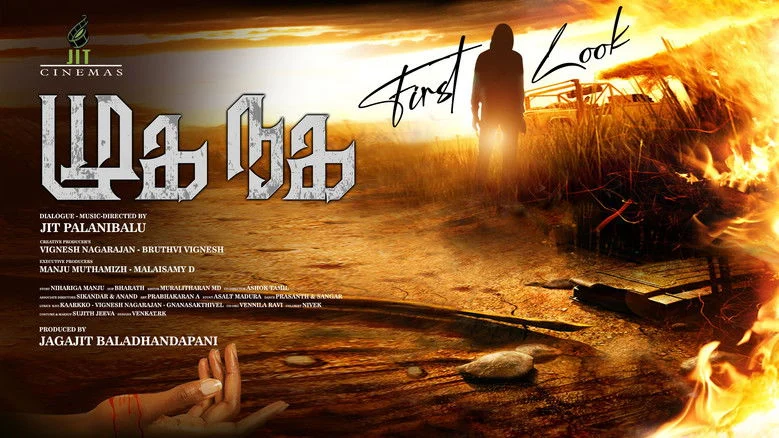
Jit Palanibalu, in their directorial effort, attempts to craft a complex character study that delves into the depths of human emotion, specifically the destructive path of self-hatred and revenge. Given the themes, it’s clear Palanibalu is aiming for a thought-provoking experience. With MUGA NAGA being their mentioned film, it’s a debut that shows promise in tackling heavy subjects.
Delving into the Darkness of Human Nature
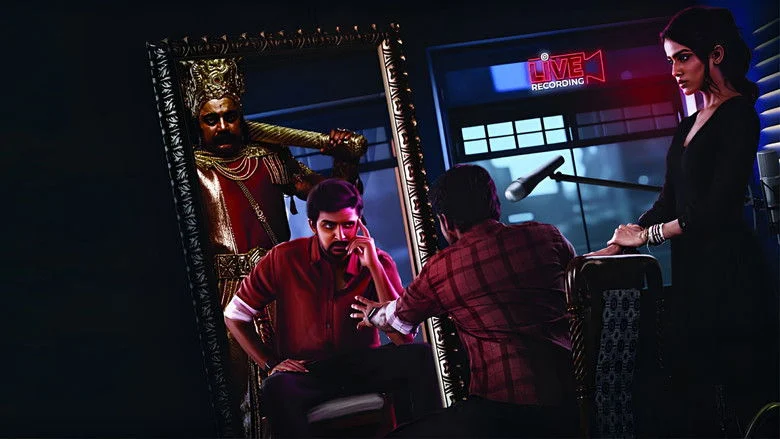
One defining choice by Palanibalu is the use of a non-linear narrative to reflect the chaotic and fragmented mind of the protagonist. For example, the film’s use of flashbacks to illustrate the protagonist’s past traumas is a craft decision that aims to create a sense of disjointedness and inner turmoil. While this approach can be effective in conveying the character’s state of mind, it sometimes feels disjointed and hard to follow. The visual representation of the protagonist’s descent into darkness is a notable aspect of the film.
Furthermore, the cinematography plays a significant role in setting the tone for each scene, often using dim lighting and close-ups to emphasize the protagonist’s feelings of isolation and anger. This visual approach helps in immersing the viewer in the protagonist’s world, making their journey feel more intimate and intense. However, the pacing sometimes suffers, making certain scenes feel rushed or overly prolonged.
Anish’s Troubled Character
Anish, in the lead role, faces the challenge of portraying a character driven by self-hatred and a desire for revenge, which demands a deep exploration of emotional depth and complexity. Anish does well in conveying the character’s pain and anger, particularly in scenes where the character’s past is revealed. However, there are moments where the character’s actions feel somewhat unmotivated or lacking in depth, which can be attributed to the script rather than Anish’s performance.
The supporting cast, including Parvathy and Jit, each play roles that serve to highlight different aspects of the protagonist’s personality and backstory. Parvathy’s character, for instance, represents a potential for redemption and connection, while Jit’s character seems to embody the destructive nature of the protagonist’s actions. Each actor brings a unique dynamic to their role, contributing to the overall tension and emotional depth of the film.
The Narrative’s Biggest Misstep
The biggest flaw in the film is its failure to fully develop the protagonist’s motivations and the consequences of their actions, particularly in the final act. The part of the film where the protagonist’s revenge reaches its climax feels somewhat rushed and lacks the emotional impact it could have had. The character most affected by this weak writing is the protagonist themselves, as their journey towards revenge and potential redemption feels incomplete.
This flaw hurts the overall experience because it leaves the viewer with unanswered questions and a sense of dissatisfaction. A better version of the final act would have provided more insight into the protagonist’s emotional state and the repercussions of their actions, potentially leading to a more satisfying conclusion. The lack of a fully realized ending detracts from the film’s ability to leave a lasting impression on the viewer.
Worth Your Evening?
MUGA NAGA is best suited for a small screen viewing, as the intimate and personal nature of the story doesn’t necessarily require the grandeur of a theatre. Fans of psychological thrillers, particularly those who enjoy explorations of the human psyche, will find aspects of this film captivating. In comparison to other thrillers that explore themes of revenge and self-destruction, MUGA NAGA offers a unique, albeit flawed, perspective that is reminiscent of films like “Oldboy” in its themes of vengeance and personal turmoil.