Pongala (2025) REVIEW ft. Bibin, Sreenath, and Baburaj

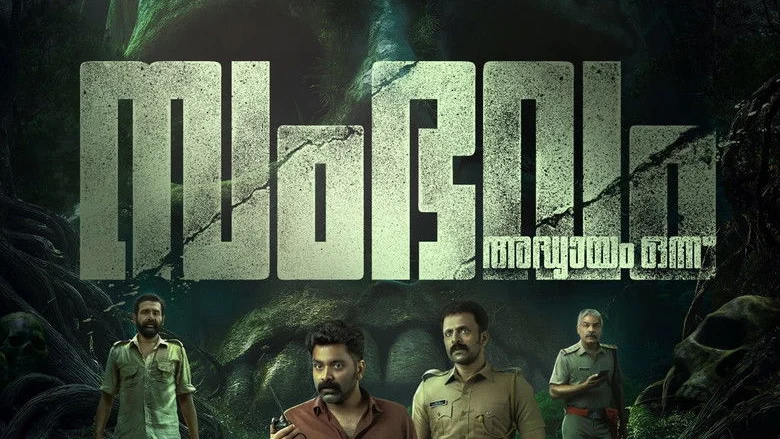
Pongala arrives as a Malayalam action thriller that pulls from a real incident at Vypin-Munambam harbour. Director A.B. Binil gets Sreenath Bhasi to step away from his comfort zone. The supporting lineup includes Baburaj, Bibin George, Indrans, Alencier Ley Lopez, and Harish Uthaman.
The film hit screens on December 5, 2025, breaking tradition as the first Malayalam release on a Sunday. Filmed across Vypin and Cherai, it revisits a violent chapter from 2000. Jackson shoots it, Ajas Pookodan cuts it, and Ranjin Raj scores it.
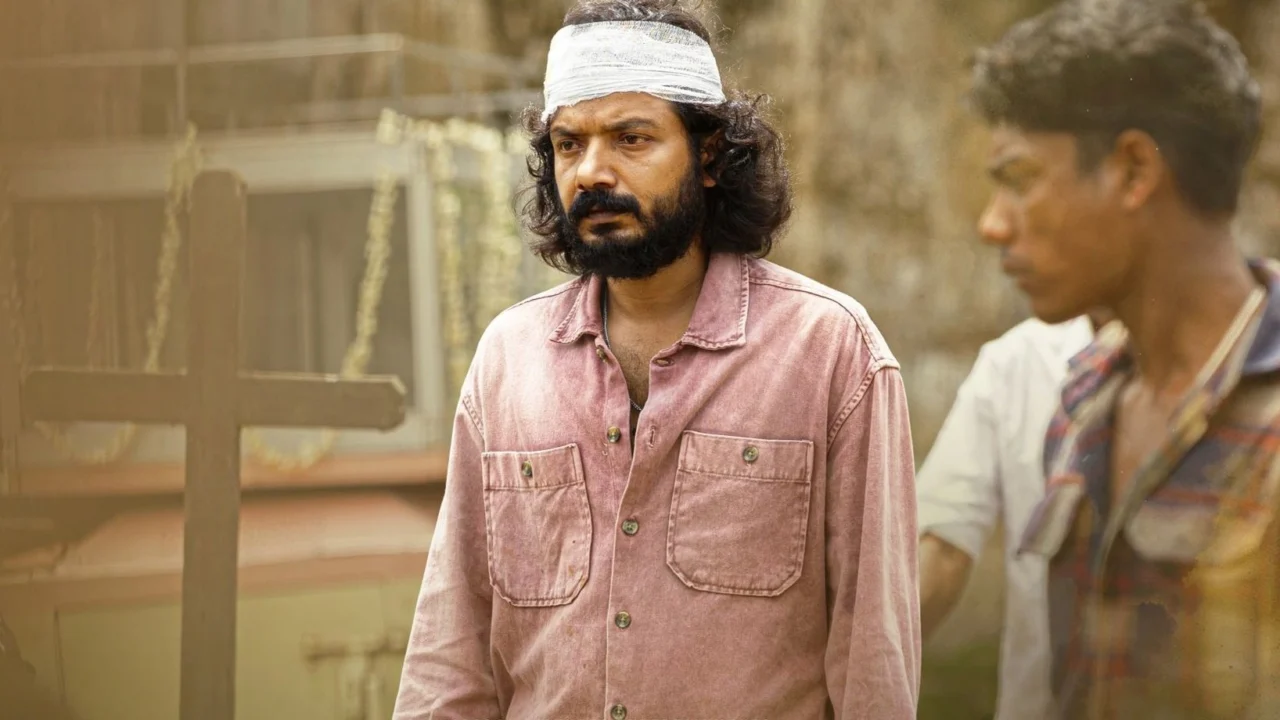
The Coastal Crime Tale
This story plants itself in a fishing harbour where illegal operations, old feuds, and territorial fights brew trouble. Set two decades back, it tracks people caught between survival and violence. The film attempts to weave action beats with thriller suspense and scattered comedy.
The harbour location feels genuine rather than constructed. I could sense the salt air and tension. But the script tries juggling too many moods. Dark crime sequences clash with lighter moments, creating an uneven rhythm that kept pulling me out of the story.
Acting That Hits Different
Sreenath Bhasi takes on physical intensity here. Fresh from Manjummel Boys, he switches to a harder-edged character. His commitment shows in raw confrontation scenes. Yet the transition feels sudden. I wanted more time watching him become this person rather than just seeing the finished transformation.
Baburaj brings weight to his scenes with practiced skill. Bibin George lands his comic beats, though these often break serious momentum. Veterans Indrans and Alencier Ley Lopez add credibility but get limited space to develop their roles fully.
Craft Behind the Camera
The technical work stays consistently strong. Jackson’s camera embraces the coastal grit with handheld realism. Dimly lit sequences build claustrophobia effectively. Real locations replace artificial setups, giving each frame lived-in texture. The film looks rough-edged by design, not by accident.
Ranjin Raj’s music takes an unconventional path. Rather than traditional scores, he layers rhythmic pulses with environmental sounds. This creates atmosphere without overwhelming scenes. The fight choreography from Mafia Sasi, Raja Sekhar, and Prabhu Jacky keeps action grounded instead of theatrical.
Moments That Connect
The film earns points for authentic coastal flavor. Shooting in actual Vypin locations gives the narrative genuine weight. Small details about harbour routines show careful observation. Violence gets presented without glorification, staying close to street-level reality.
Pacing moves briskly under Ajas Pookodan’s editing. The film avoids dragging with unnecessary tangents. I respected the choice to tackle true events honestly rather than dressing them up for commercial appeal. The ambition to deliver a grounded crime story shows clearly.
Where Things Stumble
Tone becomes the main obstacle. The film swings between dark drama and commercial entertainment without finding balance. Comedy interrupts tension repeatedly. This split personality damages emotional investment. I kept wondering which version of the story mattered more.
Character arcs stay thin with so many people sharing screen time. Motivations remain unclear for several key players. The lead’s journey lacks gradual progression. Plot threads resolve too neatly at times. Dialogue occasionally repeats ideas rather than sharpening them.
Female roles, including Yami Sona’s part, stay marginal. They function as plot devices more than complete characters. Censor cuts removed eight scenes, leaving visible gaps in transitions. The climax follows familiar thriller templates without fresh angles.
How People Reacted
The teaser sparked strong buzz months before release. Social platforms filled with praise for Sreenath Bhasi’s new look and the film’s raw aesthetic. Vijay Sethupathi and others shared positive early reactions. Comments emphasized bold choices and intense imagery.
Post-release opinions split. Some viewers celebrate the technical polish and realistic treatment. Others criticize narrative wobbles and comedic interruptions. The historic Sunday release gamble means weekend numbers will determine commercial fate.
Picture and Sound
Cinematography uses natural light and handheld techniques for documentary texture. Colors stay deliberately muted, matching the story’s grimness. Nighttime scenes excel at building dread through shadows. Action editing maintains visual clarity without frantic cutting.
Art direction and costume work enhance period authenticity. Sets appear naturally worn rather than artificially aged. Early 2000s details register convincingly. Sound design weaves harbour ambience – water, boats, crowds – into an involving sonic landscape.
Bottom Line
Pongala demonstrates technical confidence and performance commitment. The coastal authenticity, inventive music, and visceral action create worthwhile moments. Sreenath Bhasi’s risk-taking deserves recognition, and the film’s realistic lens distinguishes it from standard commercial products.
However, genre balancing remains problematic. The overcrowded cast limits character depth. Tonal whiplash disrupts flow repeatedly. The film succeeds when embracing grit but falters when chasing mainstream appeal. Ambition outpaces execution here.
I’d point thriller fans toward this if they value regional authenticity and technical craft. Those seeking tight plotting and deep characterization might find it frustrating. The film builds a convincing world and delivers solid action sequences, but storytelling coherence needs strengthening.
Pongala shows directorial growth for A.B. Binil despite not fully landing. It will divide audiences – some embracing the grounded approach, others wanting sharper narrative focus.
Rating: 3/5